
.PNG)
Understanding OFAC Regulations: Compliance and Resources
The Office of Foreign Assets Control (OFAC) plays a critical role in implementing U.S. sanctions programs that are designed to protect national security and foreign policy interests. The OFAC regulations have a significant impact on various sectors, including finance, international trade, and travel. To learn more about OFAC and its implications, you can find additional resources and legal guidance this OFAC page https://streetouterwears.com/pages/understanding-ofac-related-legal-resources-and-compliance-pages.html.
What is OFAC?
The Office of Foreign Assets Control (OFAC) is part of the U.S. Treasury Department which administers and enforces economic and trade sanctions based on U.S. foreign policy and national security goals. These sanctions can target specific countries, regimes, or even individuals and entities. The primary mission of OFAC is to minimize the risk and disadvantage to U.S. citizens as well as to promote American values around the world.
The Importance of OFAC Compliance
Compliance with OFAC regulations is essential for businesses engaged in international transactions. Non-compliance can lead to severe financial penalties, legal repercussions, and reputational damage. This is particularly crucial for financial institutions that play a key role in processing international transactions. It is their duty to ensure that they do not inadvertently facilitate activities that violate U.S. sanctions.
Key OFAC Regulations
OFAC regulations can be complex, but they serve to prohibit specific transactions, and relevant parties may be placed on various lists, including:
- Specially Designated Nationals and Blocked Persons (SDN) List: This list includes individuals and entities that are owned or controlled by, or acting for or on behalf of, targeted countries.
- Sectoral Sanctions Identifications (SSI) List: This applies particularly to sectors critical to the economy of a targeted country, such as energy, finance, or mining.
- Foreign Sanctions Evaders (FSE) List: This identifies foreign entities and individuals that have engaged in activities that undermine U.S. sanctions against designated countries.
OFAC’s License Application Process
In some cases, businesses may seek OFAC licenses, allowing them to engage in otherwise prohibited transactions. The process involves applying for a specific license tailored to the particular transaction. There are two types of licenses:
- General Licenses: Broad authorizations that allow certain activities without the need for a specific license.
- Specific Licenses: Authorized on a case-by-case basis and require applicants to provide detailed information about the transaction.
Best Practices for OFAC Compliance
Ensuring compliance with OFAC regulations requires diligent monitoring and adherence to best practices. Here are some recommendations:
- Conduct Regular Training: Ensure that employees are aware of OFAC regulations and the seriousness of compliance.
- Implement Strong Compliance Programs: Develop a comprehensive compliance program that includes risk assessments, internal controls, and reporting procedures.
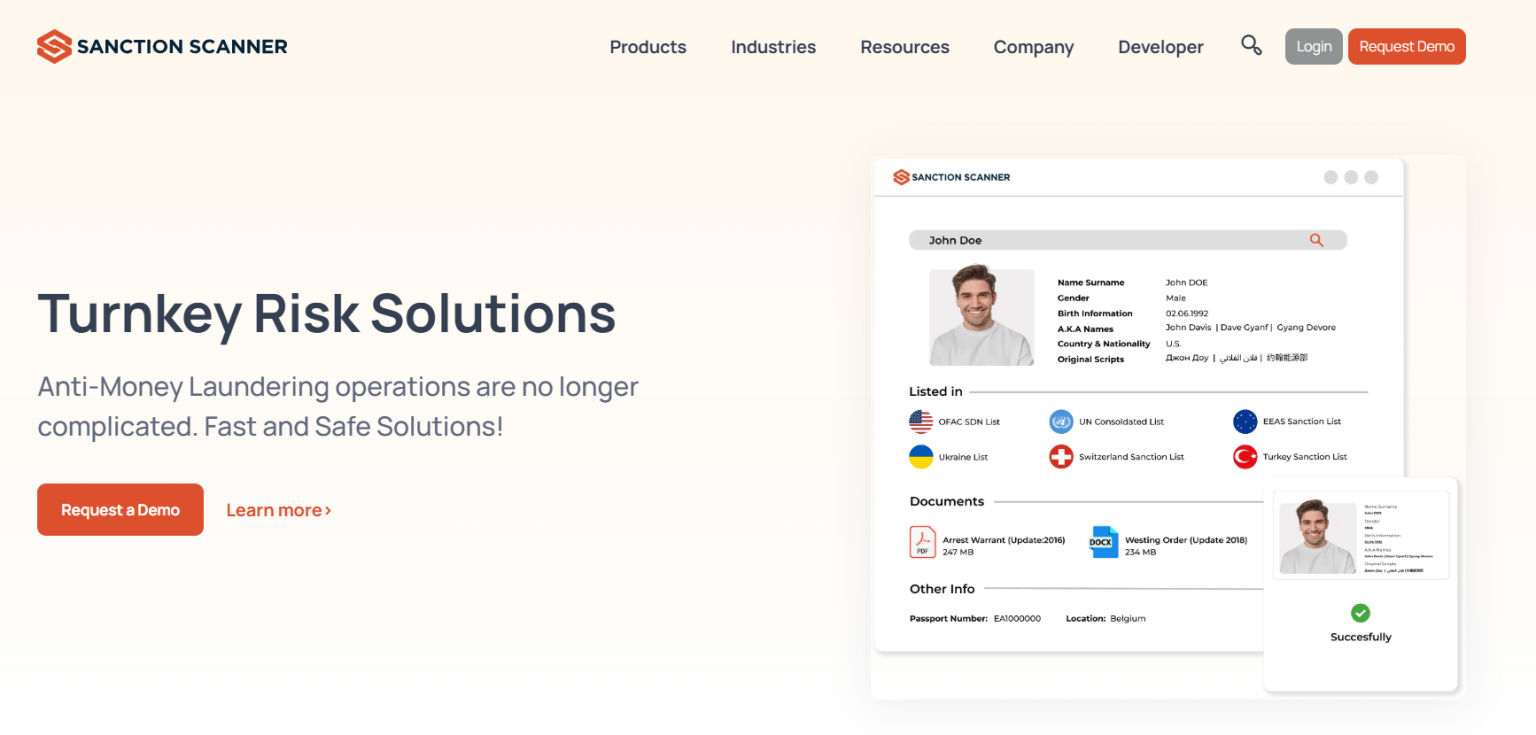
- Utilize Screening Tools: Make use of software that automates the process of screening transactions against OFAC lists.
Resources for OFAC Compliance
Many resources are available to aid businesses in understanding and complying with OFAC regulations. These can include government websites, legal counsel specializing in sanctions law, and industry associations that provide guidance on best practices. Engaging with these resources can help navigate the complexities of OFAC compliance.
Conclusion
In summary, understanding and adhering to OFAC regulations is critical for businesses engaged in international trade and finance. With proper compliance measures, organizations can mitigate risks associated with sanctions violations. It is advisable to remain informed, utilize available resources, and implement robust compliance strategies to ensure all transactions align with U.S. laws and policies.