

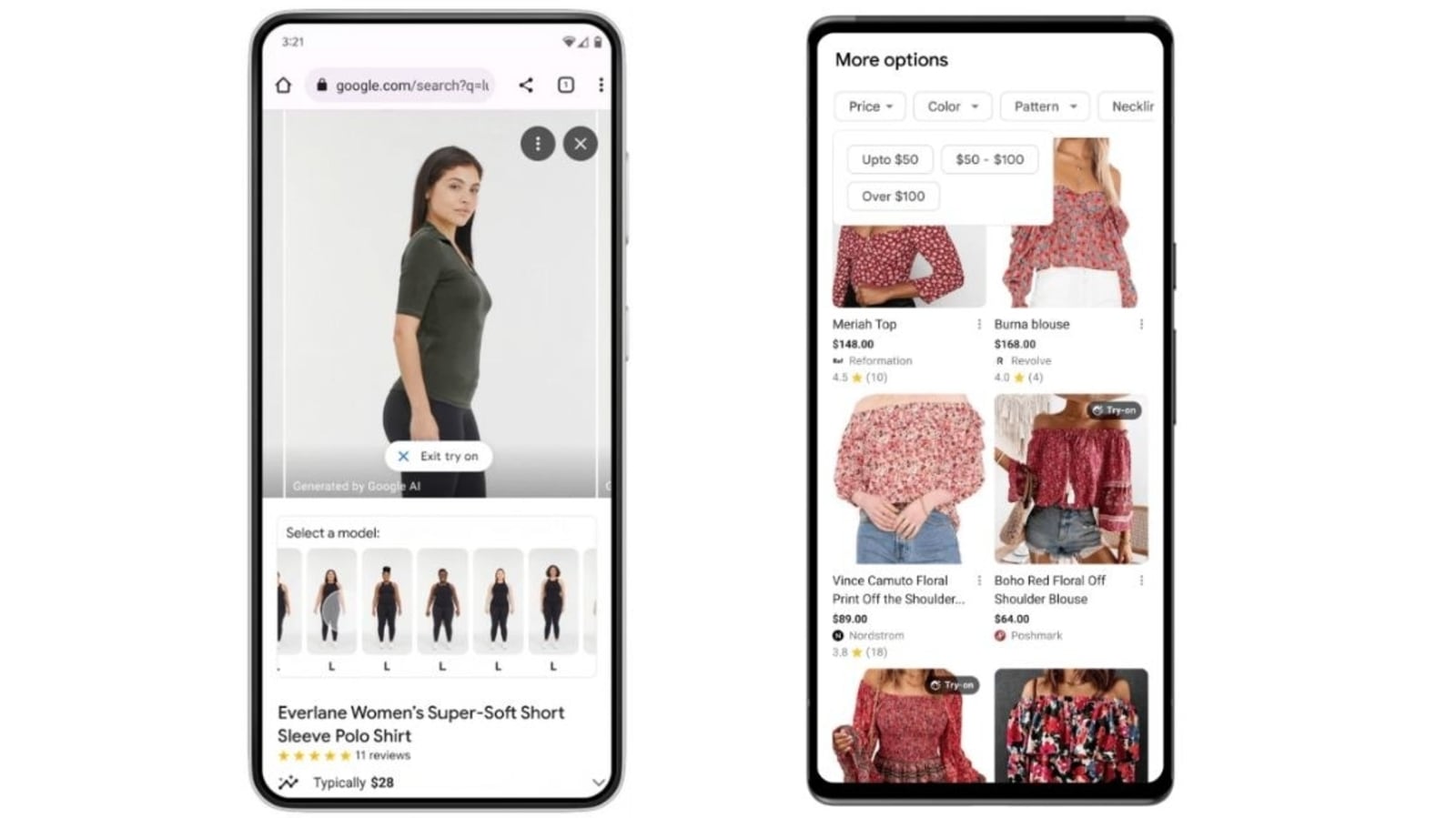
In recent years, technology has made significant strides in various sectors, and the fashion industry is no exception. One of the most promising innovations in fashion technology is clothoff ai, an artificial intelligence platform that aims to empower designers and retailers alike. This article explores the capabilities, advantages, challenges, and future prospects of ClothoFF AI in transforming the fashion landscape.

Understanding ClothoFF AI
ClothoFF AI is an advanced artificial intelligence platform designed specifically for the fashion industry. It leverages machine learning algorithms and vast datasets to analyze fashion trends, consumer preferences, and operational efficiencies. The platform’s primary purpose is to enhance creativity, streamline production processes, and improve sales forecasts, ultimately leading to a more sustainable and responsive fashion ecosystem.
Key Features of ClothoFF AI
The capabilities of ClothoFF AI can be categorized into several key features that set it apart from traditional fashion processes:

- Trend Analysis: ClothoFF AI utilizes big data analytics to monitor emerging fashion trends by analyzing social media, fashion shows, and consumer behavior. This provides designers with real-time insights into what is in demand.
- Design Assistance: The platform can generate design suggestions based on preferences and historical data, helping designers innovate while keeping market demands in mind.
- Inventory Management: By predicting consumer buying patterns, ClothoFF AI assists retailers in optimizing inventory levels, reducing excess stock, and minimizing waste.
- Personalized Shopping Experiences: With machine learning, the platform can curate personalized recommendations for consumers, enhancing their shopping experience and increasing conversion rates.
The Benefits of Implementing ClothoFF AI
Integrating ClothoFF AI into fashion businesses comes with a multitude of benefits:
- Enhanced Creativity: By providing insights and design suggestions, AI aids designers in overcoming creative blocks and exploring new styles.
- Efficiency in Production: Streamlining processes reduces lead times and production costs, making businesses more agile in response to changing trends.
- Improved Customer Insights: Understanding customer preferences leads to products that resonate with consumers, fostering brand loyalty.
- Sustainability: By optimizing materials and reducing waste, ClothoFF AI promotes sustainable practices within the fashion industry.
Challenges to Consider
Despite its advantages, the implementation of ClothoFF AI also presents challenges. The learning curve associated with adopting new technology can be steep. Additionally, businesses must also contend with data privacy concerns, ensuring consumers feel secure while utilizing personalized services. Balancing human creativity and AI assistance also poses a philosophical challenge—designers may fear losing their artistic touch in favor of algorithm-driven decisions.
Real-World Applications
Some notable brands have already begun to leverage the power of ClothoFF AI:
- Zalando: The European online fashion retailer uses AI to analyze customer behavior and optimize their inventory, leading to an improved shopping experience and reduced returns.
- H&M: The brand employs machine learning for trend forecasting and inventory management, effectively balancing supply and demand while incorporating consumer insights into their design processes.
- Pantone: They utilize AI to predict color trends for upcoming seasons, ensuring that designers incorporate relevant hues into their collections.
The Future of ClothoFF AI
Looking ahead, ClothoFF AI is positioned to revolutionize the fashion industry further. As AI technology continues to evolve, we can expect enhanced capabilities that integrate augmented reality, virtual fitting rooms, and even more sophisticated consumer behavior analysis. The collaborative potential between human designers and AI is set to redefine the essence of fashion creation.
Conclusion
ClothoFF AI symbolizes a shift towards a more data-driven, sustainable, and consumer-focused fashion industry. By embracing this technology, brands can not only enhance their operational efficiency and design creativity but also foster deeper connections with their customers. As the fashion world continues to adapt to the digital age, innovations like ClothoFF AI will play a vital role in shaping the future of style.